The brewing fight over a recently-created federal tax credit could have major implications for the Minnesota Legislature’s education agenda this session.
Last year, federal lawmakers created a tax credit which gives taxpayers a dollar-for-dollar reduction in their tax federal tax bill if they donate to a scholarship-granting organization (SGO). An SGO is a nonprofit that gives education-related scholarships to K-12 students.
The tax credit goes up to $1,700, meaning a taxpayer can donate $1,700 to an SGO and receive an identical reduction in their federal tax bill. Funds given out by SGOs could be used for private school tuition or eligible expenses at public schools.
However, the tax credit comes with a catch. Under federal law, states have to opt in to the program and provide a list of eligible SGOs to the federal government. If a state fails to opt in and provide a list, then donations to SGOs in that state are not eligible for the tax credit.
Despite this, taxpayers in all 50 states can still use the tax credit regardless of whether their state has opted in to the program. For example, a taxpayer who lives in a state that did not opt in to the program could donate to an SGO in a state that did opt in.
Under federal law, state governors can unilaterally opt their states into the program. So far, 27 states have decided to opt in, and Minnesota does not appear likely to join that list.
Last week, Minnesota Gov. Tim Walz publicly announced that he will not opt Minnesota into the federal tax credit program, saying “we are not doing it.” Walz, a former public school teacher, essentially said he has no intention of negotiating on the issue.
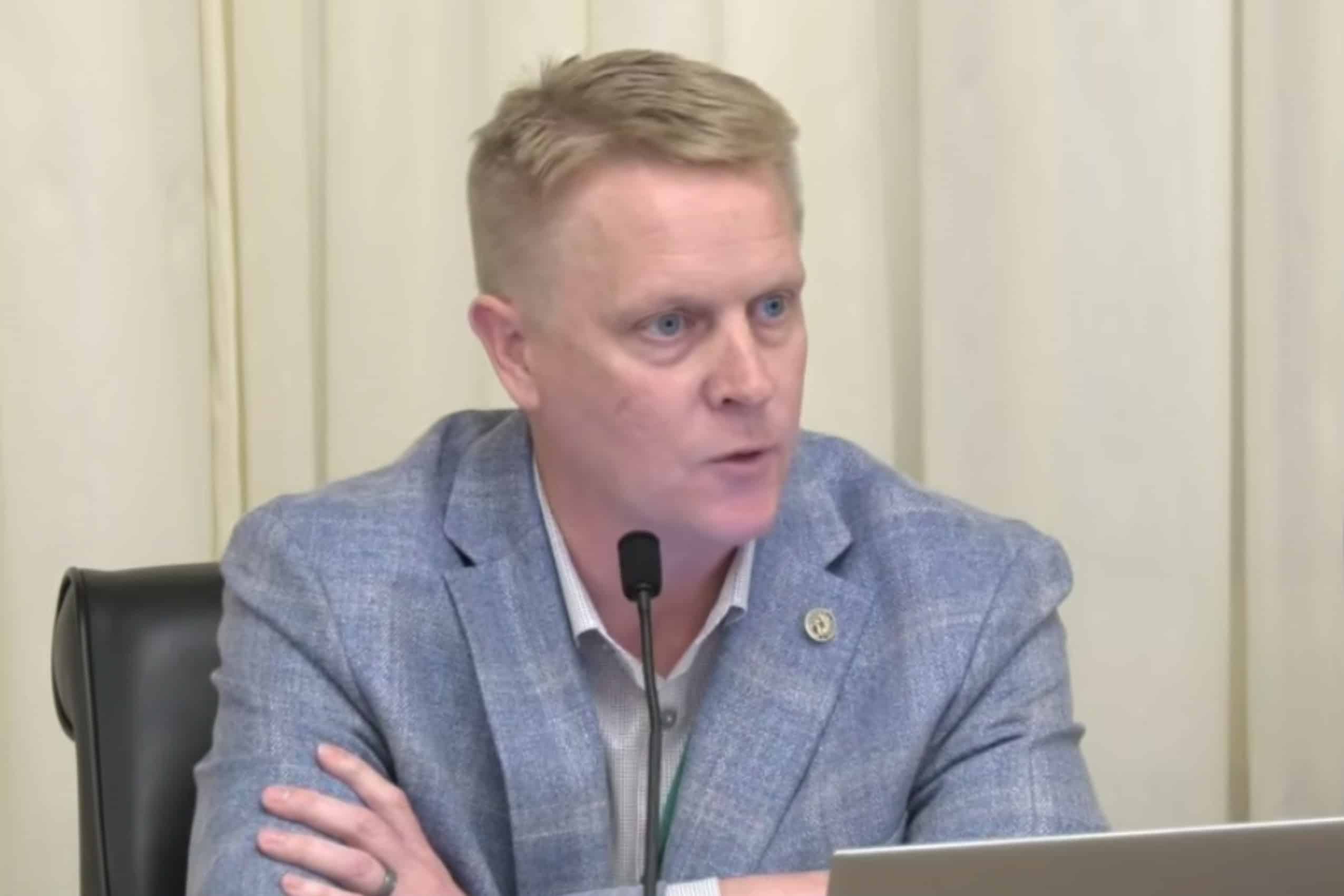
Conversely, State Rep. Ron Kresha, the Republican chair of the House Education Finance Committee, told Alpha News that opting in is “smart education policy” and “can benefit students attending public and non-public schools.”
“I won’t work with Governor Walz on his education budget until he opts into the federal tax credit,” added Kresha. “His budget cuts another fifty million in special education funding for schools and has no meaningful education reform.”
Legislation to opt Minnesota in stalls after Democrat opposition
Earlier this month, Republicans tried to advance legislation that would opt Minnesota into the federal education tax credit program. That bill, HF 3490, is authored by GOP Rep. Andrew Myers and has been heard in the House Education Finance Committee.
Much of the discussion about the tax credit has revolved around what kinds of students would benefit most. Democrats have said the tax credit is a school voucher program that would benefit private school students at the expense of public school students.
WATCH: A Minnesota teacher testifies against a bill that would incentivize donations to private and public schools
In a stunning moment, she says the bill should be rejected because “donations to private schools would decrease tuition, making private school more affordable to… pic.twitter.com/wSJ0vyjyQf
— Alpha News (@AlphaNews) March 30, 2026
The Minnesota Department of Education (MDE) testified against HF 3490, saying it would incentivize enrollment outside the public school system.
Earlier this month, Myers amended his bill to give MDE authority to establish its own SGO that could receive eligible donations and provide funding to Minnesota public schools. That amendment did not limit an individual school district’s ability to also start its own SGO.
Republicans have said Minnesotans can still use the new tax credit whether Minnesota opts in to the program or not. In turn, Republicans have said failure to opt in would only result in donations benefiting out-of-state students rather than Minnesota students.
During a committee hearing this month, Republican Rep. Ben Bakeberg strongly rejected the claim that the tax credit amounted to a school voucher program, saying “this is not a voucher program, so for anyone to say that is just wrong.”
Last week, the House Education Finance Committee tried to advance HF 3490 on to the next committee. However, that motion failed in a 12-12 vote with all Democrats opposing advancement and all Republicans supporting advancement.

Luke Sprinkel
Luke Sprinkel previously worked as a Legislative Assistant at the Minnesota House of Representatives. He grew up as a Missionary Kid (MK) living in England, Thailand, Tanzania, and the Middle East. Luke graduated from Regent University in 2018.
Subscribe Below To Our Weekly Newsletter of our Latest Videos and Receive a Discount Code For A FREE eBook from our eBook store: