

Description
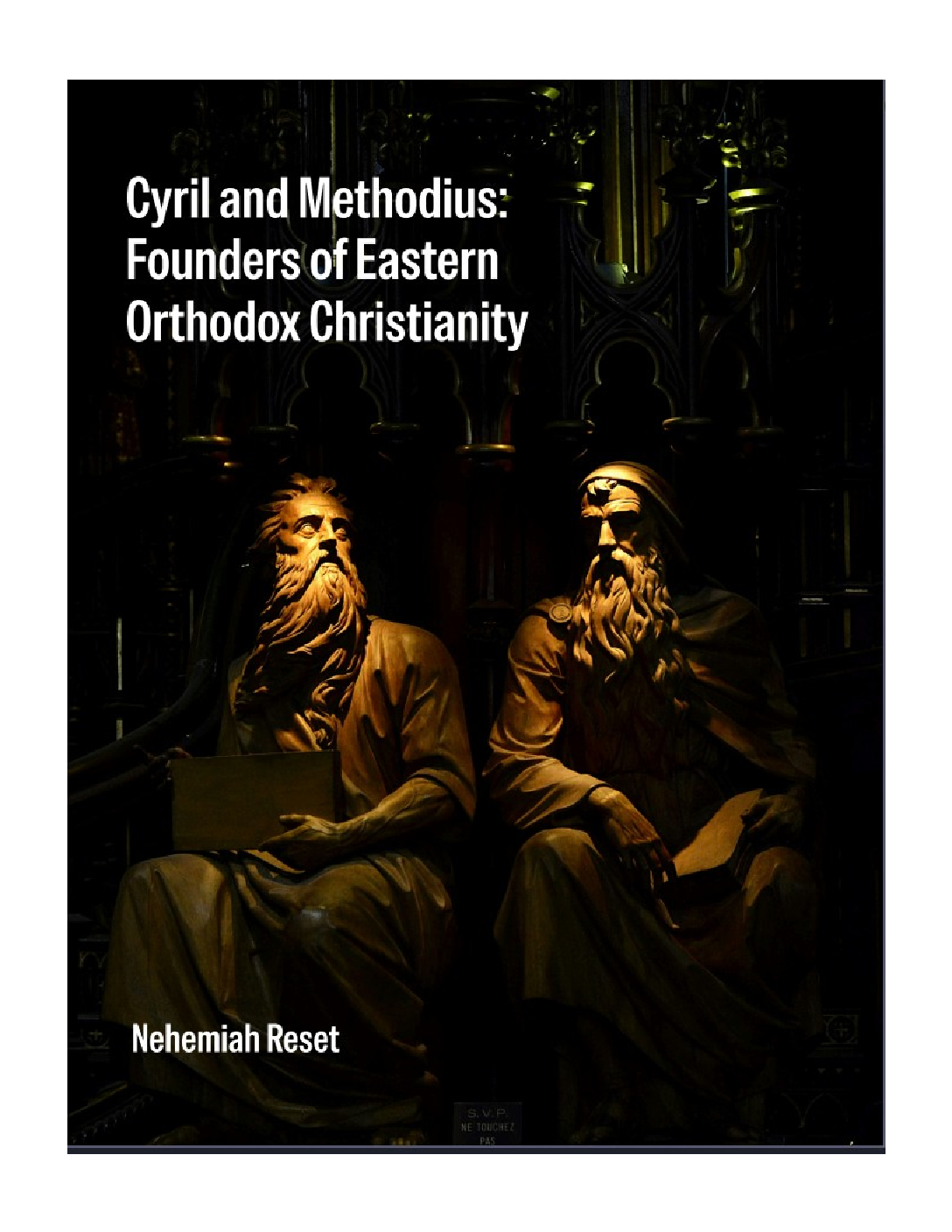
Cyril and Methodius stand as towering figures in the history of Christianity and Slavic civilization, the Byzantine Greek brothers whose missionary work in the 9th century forever transformed Eastern Europe. Commissioned by Emperor Michael III and Patriarch Photios I, these “Apostles to the Slavs” embarked on a daring mission to Great Moravia that went far beyond typical evangelization of their era. Recognizing that true cultural transformation required more than mere conversion, Cyril developed the Glagolitic alphabet—the first written system for the Slavic languages—enabling the translation of the Bible and liturgical texts into the vernacular. This revolutionary approach broke with contemporary practice, which insisted on Latin, Greek, or Hebrew as the only sacred languages. Despite fierce opposition from German clergy who viewed their methods as heretical, the brothers persevered, establishing a Slavic liturgy that preserved the people’s cultural identity while introducing them to Christian faith—a legacy that would eventually spread throughout the Slavic world.
The new Nehemiah Reset pamphlet on Cyril and Methodius offers a fascinating exploration of how these visionary monks exemplify the biblical principle of building foundations that endure for generations. Rather than presenting them merely as historical figures, this work frames their ministry through the lens of cultural architecture—how they constructed not just churches but an entire civilizational framework through language, literature, and liturgy. The pamphlet particularly highlights their remarkable theological innovation in arguing that God could be worshiped in any language, a radical concept that challenged the prevailing trilingual doctrine of their time. By examining their struggles with political opposition, theological controversy, and the practical challenges of creating a written language from scratch, this publication reveals how the brothers’ work represents a powerful model of cross-cultural engagement that respects indigenous identity while introducing transformative ideas. Their ultimate recognition as saints by both Eastern and Western churches testifies to the lasting impact of their approach—a legacy that continues to shape Slavic identity, Orthodox Christianity, and our understanding of how faith can be authentically expressed within diverse cultural contexts.
Reviews
There are no reviews yet.